National Defense Industrial Association (NDIA)
The National Defense Industrial Association (NDIA) is America's leading Defense Industry association promoting national security. NDIA is proud to provide a legal and ethical forum for the exchange of information between Industry and Government on National Security issues. Our members foster the development of the most innovative and superior equipment, training and support for our warfighters and first responders through our divisions, local chapters, affiliated associations and events.
Upcoming National Defense Industrial Association (NDIA) Events

- Evidence-First Analysis: Learn to separate data analysis from causal analysis, using disciplined Lines of Inquiry to guard against confirmation bias and premature conclusions before building cause-and-effect logic.
- Systems Thinking: Apply defense-in-depth analysis and systems theory to identify where organizational defenses failed and what systemic conditions made failure inevitable—moving beyond surface-level "human error" to address root causes.
- Human & Organizational Performance Integration: Evaluate culture, leadership, and organizational conditions as first-class causal factors, not afterthoughts, treating frontline behaviors as symptoms of upstream conditions.
- AI-Enhanced Efficiency: Leverage artificial intelligence to accelerate data analysis and pattern recognition in Phase 1, while maintaining human-led causal analysis in Phase 2 to preserve the integrity of subject matter expertise.
- Scalable Methodology: Master a graded approach that applies the same framework to everyday 2-4 hour apparent cause evaluations and multi-week root cause investigations of complex, recurring problems.
- Sustainable Corrective Actions: Design high-leverage corrective and preventive actions using the hierarchy of hazard controls and Lean mistake-proofing principles—strategies proven to prevent recurrence.

Navigating the 2026 FAR Overhaul (Cyber, CUI, & Supply Chain Compliance). Please join NDIA Cybersecurity Division for a briefing and discussion regarding the Federal Acquisition Regulatory (FAR) Council’s newly released Revolutionary FAR Overhaul (RFO) proposed rules under FAR Case 2026-001. This sweeping regulatory reform resets federal procurement standards to streamline buying while imposing unified, strict security protocols across the entire federal supply chain.
For 28 years, the Space and Missile Defense Symposium in Huntsville, AL has stood as the definitive forum where the future of space and missile defense is forged. As the largest gathering of industry leaders, government officials, and technical experts—including decision makers, policy makers, technologists, scientists, engineers, operators, and architects—this symposium not only celebrates a storied history but also propels innovation and strategic dialogue.
With a legacy of excellence, the event has consistently provided an unparalleled platform for knowledge sharing, critical discussions, and cutting-edge insights that drive national and global security forward, solidifying its position as the foremost assembly in the space and missile defense community.
The NDIA Department of the Navy Gold Coast Event is big business for Small Businesses.
The NDIA Department of the Navy Gold Coast Premier Procurement Expo is the premier Navy procurement event in the country. Gold Coast provides a forum to educate, guide, and assist businesses, large and small, in support of the warfighter mission within Department of the Navy and throughout the DOD.
Cybersecurity is now everyone’s business.
Cyber Center of Excellence (CCOE) and National Defense Industrial Association (NDIA) invite you to the third annual Cyber Track at the Department of the Navy Gold Coast 2026.
Join us for a cybersecurity threat briefing and local resources panel, followed by NDIA Cybersecurity Division’s CMMC Academy with practical lessons on what the regulation includes and what you must do now to bid, win and execute on federal and Department of Defense contracts.
MODSIM World 2026 will represent a deliberate shift in direction. Delivering a new focus on speed, integration, and mission impact across the Modeling & Simulation (M&S) enterprise. This evolution moves beyond traditional conference dialogue toward rapid capability integration, cross-domain collaboration, and practical application, ensuring that ideas transition more quickly into operational outcomes. By convening the global M&S community under this renewed vision, MODSIM is prioritizing innovation with urgency, strengthening real-world capability, and increasing velocity across industries and mission domains to meet the demands of a more complex and competitive environment.

Mark your calendars and stay tuned for more information as it becomes available.
***This is a classified meeting on Wednesday at the TS/SCI Level. Thursday is non- classified***
WHY ATTEND
- Connect – Engage in person with mission-driven professionals from across the space enterprise, including program managers, acquisition leaders, engineers, scientists, strategists, and international partners from government, industry, and academia.
- Learn – Gain critical insight during dynamic plenary sessions and exclusive briefings, including both unclassified and classified content led by USSPACECOM and USSF leadership.
- Showcase – Position your organization in front of senior decision-makers shaping the future of space warfighting. Sponsorships offer prime visibility and networking opportunities throughout the forum.

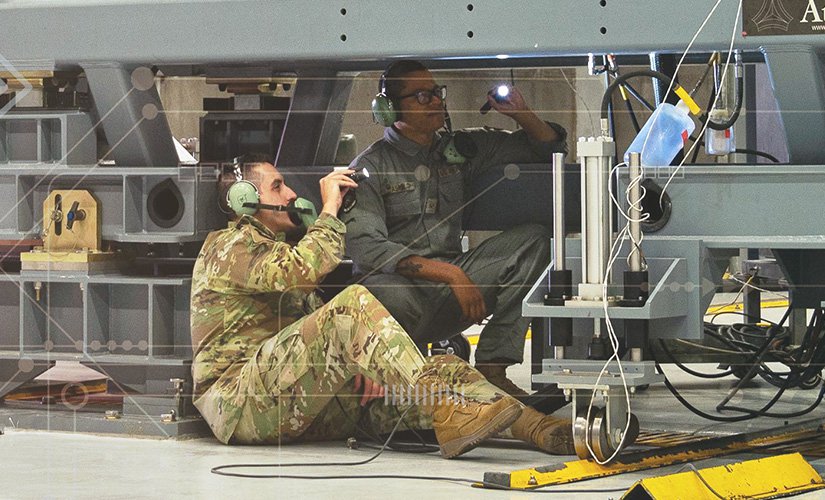
The Industrial Committee on Operational Test & Evaluation (ICOTE) is run by the Test & Evaluation Division with a mission to gain feedback from senior industry representatives, discuss OSD and military service policies which affect relationships with suppliers, discuss emerging issues in government and industry which affect the readiness and capabilities of U.S. defense systems, and to cooperate on projects of mutual benefit to the ICOTE participants.
The ICOTE has forged a reputation as a productive forum for enhancing DoD-industry cooperation and collaboration in the pursuit of effective, efficient and economical test and evaluation processes, standards and procedures that will ensure quality products at affordable costs for the DoD. ICOTE meetings are held on a quarterly basis in varying venues.
Join us on August 27 for the next meeting at NDIA Headquarters in Arlington, VA.
Participation is by invitation only, and discussions are held strictly non-attribution.
THE EVENT IS CLOSED TO THE MEDIA.
ICOTE Protocol
- The meetings are an opportunity for frank discussion between the Services, OSD, and Industry
- No minutes are published as a way to incentivize open and frank discussions
- Discussions are on a not-for-attribution basis
- Membership is meant to be at the executive, decision-making level
- We intend to produce a product that is useful to industry and the government

The Mastering the Art of Business Development® Workshop is an educational and professional development program which focuses on the thinking, process and discipline required for professional Business Development. This 2-day workshop fosters participants’ understanding of the core competencies required for success in the Business Development role.
Business Development is primarily a relationship development and intelligence gathering process. Participants will learn how to leverage the principles of behavioral psychology to identify valid prospects and pipeline opportunities, effectively qualify them and develop win-win business relationships for their organizations, their clients and themselves.
This interactive, participant-centered workshop introduces the MBDi Business Development Process®, with its early shaping Opportunity Identification & Qualification component and the MBDi HUMINT® Client Engagement Process. This Client Engagement Process guides participants through a series of planning phases and client engagement steps designed to change how participants think, behave and engage prospects and clients within their Business Development role.
Through the instructor’s use of Socratic teaching techniques, participants will acquire the knowledge, thinking, skills and discipline required to proactively engage clients from a Strategic Hunting, Organic Farming or Program Management perspective. Participants have described this workshop as a career-transforming experience.
During this interactive, participant-centered workshop, participants will:
- Explore the concepts of self-identity and role-identity and how to differentiate between goals and purpose in professional and personal life.
- Learn how to deal with rejection, risk-taking and failure and gain a better understanding of the importance of leadership, integrity and character in developing business.
- Acquire a better understanding of the psychology of human behavior and how it applies to their own self-knowledge and understanding of others.
- Review the fundamentals of the MBDi Business Development Process and how the rules of the relationship are established.
- Learn how to control the client interview process and gain valuable insights into how and why people buy.
- Learn a proven 4 phase Client Engagement Process that produces high value, human intelligence that drives Opportunity Identification & Qualification (OI&Q)i.
- Learn account planning, intelligence gathering, call planning and script development with role playing of specific client calls.
- Experience how individuals’ bond and position in different roles and at different levels within an organization
- Understand how to control the decision-making process in the procurement cycle and master the skills needed for prospecting, qualifying and closing business.
- Learn how to overcome the psychological limitations and barriers implicit in developing business and how to successfully integrate these processes and skills into the daily practice of client engagement.
The NDIA has a policy of strict compliance with federal and state antitrust laws. The antitrust laws prohibit competitors from engaging in actions that could result in an unreasonable restraint of trade. Consequently, NDIA members must avoid discussing certain topics when they are together – both at formal association membership, board, committee, and other meetings and in informal contacts with other industry members: prices, fees, rates, profit margins, or other terms or conditions of sale (including allowances, credit terms, and warranties); allocation of markets or customers or division of territories; or refusals to deal with or boycotts of suppliers, customers or other third parties, or topics that may lead participants not to deal with a particular supplier, customer or third party.

The Mastering the Art of Business Development® Workshop is an educational and professional development program which focuses on the thinking, process and discipline required for professional Business Development. This 2-day workshop fosters participants’ understanding of the core competencies required for success in the Business Development role.
Business Development is primarily a relationship development and intelligence gathering process. Participants will learn how to leverage the principles of behavioral psychology to identify valid prospects and pipeline opportunities, effectively qualify them and develop win-win business relationships for their organizations, their clients and themselves.
This interactive, participant-centered workshop introduces the MBDi Business Development Process®, with its early shaping Opportunity Identification & Qualification component and the MBDi HUMINT® Client Engagement Process. This Client Engagement Process guides participants through a series of planning phases and client engagement steps designed to change how participants think, behave and engage prospects and clients within their Business Development role.
Through the instructor’s use of Socratic teaching techniques, participants will acquire the knowledge, thinking, skills and discipline required to proactively engage clients from a Strategic Hunting, Organic Farming or Program Management perspective. Participants have described this workshop as a career-transforming experience.
During this interactive, participant-centered workshop, participants will:
- Explore the concepts of self-identity and role-identity and how to differentiate between goals and purpose in professional and personal life.
- Learn how to deal with rejection, risk-taking and failure and gain a better understanding of the importance of leadership, integrity and character in developing business.
- Acquire a better understanding of the psychology of human behavior and how it applies to their own self-knowledge and understanding of others.
- Review the fundamentals of the MBDi Business Development Process and how the rules of the relationship are established.
- Learn how to control the client interview process and gain valuable insights into how and why people buy.
- Learn a proven 4 phase Client Engagement Process that produces high value, human intelligence that drives Opportunity Identification & Qualification (OI&Q)i.
- Learn account planning, intelligence gathering, call planning and script development with role playing of specific client calls.
- Experience how individuals’ bond and position in different roles and at different levels within an organization
- Understand how to control the decision-making process in the procurement cycle and master the skills needed for prospecting, qualifying and closing business.
- Learn how to overcome the psychological limitations and barriers implicit in developing business and how to successfully integrate these processes and skills into the daily practice of client engagement.
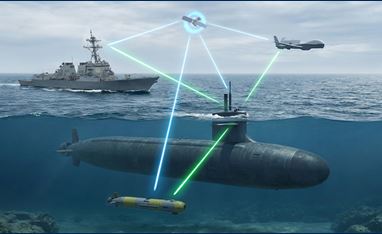
The 2026 USW Fall Conference in Groton, Connecticut will take place September 21–23 this year! Join leaders from across the undersea warfare community for three energizing days of connection, innovation, and forward-looking conversations shaping what’s next.
Please note: This event is classified at the SECRET//REL USA, AUS, GBR level.
Why Attend the 2026 Undersea Warfare Fall Conference?
- Gain Insider Insights into the latest advancements in undersea warfare, including countering submarine and mine threats and enhancing power projection from the sea.
- Hear from Key Experts: Engage with Navy leaders, SYSCOM program office leadership, and defense industry professionals.
- Network with Industry Peers: Build valuable connections with professionals from operational, acquisition, technology, and defense sectors.
- Shape the Future of undersea operations by contributing to the ongoing evolution of Navy mission areas and technologies.
- Exclusive, Classified Content: Attend a SECRET//REL USA, AUS, GBR level event with over 1,000 attendees, providing a unique opportunity to engage with key decision-makers and experts in the field.
The Department of Defense increasingly expects organizations to understand and engage private capital but most professionals have never been taught how.
Why This Matters Now
- DoD Priority
- Private investment is becoming central to defense modernization
- New Capital Tools
- Funding mechanisms continue to expand
- Growing Investment
- Private equity and venture capital activity is increasing
- Competitive Pressure
- Organizations that do not understand capital strategy risk falling behind
- Confidence engaging private capital
- Understanding venture capital, private equity, and lending structures
- Knowledge of DoD capital programs
- Practical growth and funding strategies
- Tools you can apply immediately
- Defense Executives
- Defense Growth Teams
- Acquisition Leaders
- Investors & Capital Providers