Government Technology
e.Republic is a media and research company focused on government technology and the public sector. Through Government Technology and other platforms, it provides news, research, events, digital content, and professional communities serving state and local government technology leaders.

Upcoming Government Technology Events

In the SLED market, a collection of marketing tactics doesn’t necessarily add up to a campaign.
An ad may create awareness. Content can build credibility. A webinar can deepen engagement. But when those touchpoints operate independently, it’s harder to maintain momentum and move buyers forward.
The opportunity is to connect them.
Join Rodney Leadingham, Head of Demand Generation Innovation at e.Republic, on Wednesday, October 21, at 10 a.m. PT / 1 p.m. ET for Part 4 of our five-part SLED Marketing Mastery Series.
In this practical 30-minute webinar, you’ll learn how to:
- Build integrated campaigns that guide SLED buyers from first touch to closed deal.
- Sequence tactics so each interaction leads naturally to the next.
- Track and attribute ROI across the entire buyer journey.
Your prospects shouldn’t have to connect the dots between your marketing efforts. Learn how to create a more connected campaign strategy that builds momentum across the buyer journey—and makes every touchpoint work harder toward the same business outcome.
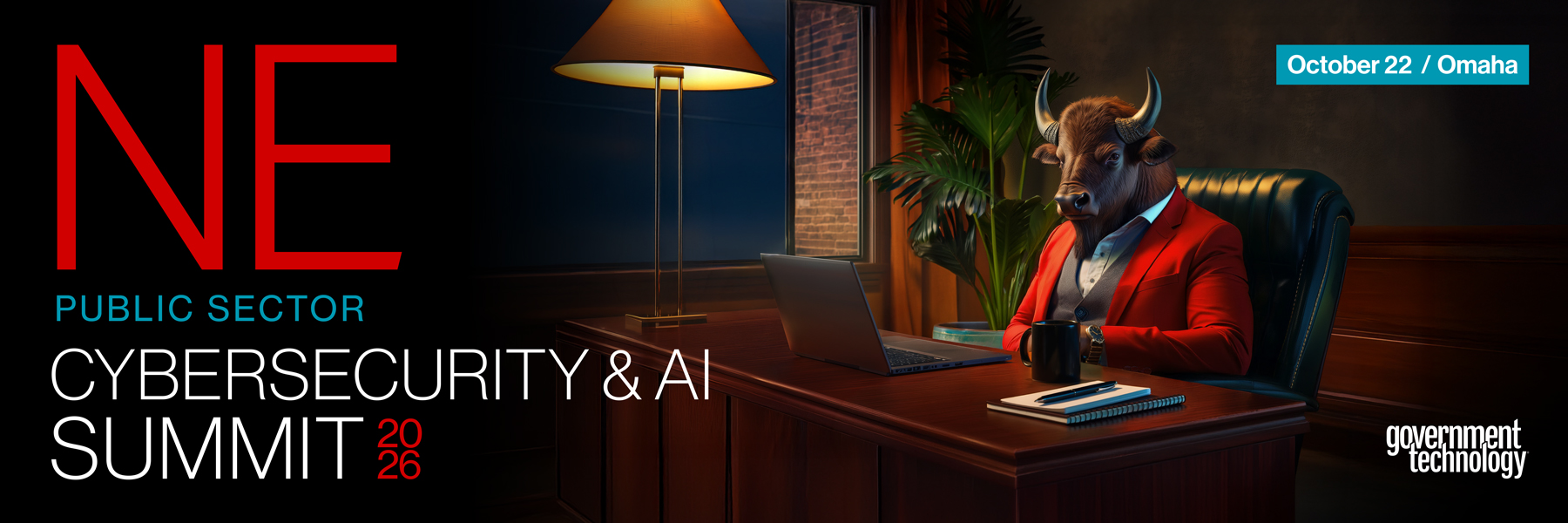
The Nebraska Public Sector Cybersecurity & AI Summit is where government defends the future.
This public sector-focused event brings together IT security leaders, risk managers, and public officials to tackle the evolving cyber threats facing state and local government. Through expert-led sessions, peer exchange, and real-world case studies, attendees gain practical strategies to strengthen cyber resilience, protect critical infrastructure, and lead with confidence in an age of constant risk. Designed specifically for the public sector, this summit delivers insights you can act on and alliances you can trust!

As AI gives adversaries new ways to probe for weaknesses and connect seemingly minor exposures, waiting for an alert or SOC ticket can leave government security teams playing from behind. But what if your security team could study an attack aimed at your environment before that attack ever reached your environment?
Join Government Technology for a hands-on look at proactive cyber defense and a new approach that uses a digital twin of an organization’s environment to attract real-world adversary activity. See how security teams can gather intelligence about attack behavior without putting the production environment at risk — then use that intelligence to identify attack paths, prioritize threats and prepare defenses earlier.
You’ll also see the technology at work in a live demo, including the dashboard, telemetry and threat activity that can feed existing security operations and other environments. If your cyber strategy starts when an alert fires, this session will show you what it looks like to start sooner.
Why attend:
- Watch a live demo of the dashboard, telemetry and threat activity
- See how a digital twin works without exposing production systems
- Learn how to act earlier with intelligence gathered before an attack hits

Agentic AI represents a major shift in how technology is used in government. Unlike traditional AI tools that generate information or recommendations, AI agents can take action — reviewing documents, initiating workflows, coordinating tasks and helping deliver services with minimal human intervention.
As states and local governments begin exploring these capabilities, policymakers face a new challenge: How do you govern a digital workforce that can act autonomously while maintaining public trust, accountability and transparency?
Join government leaders and AI experts for a practical discussion of the six questions every elected official should ask before deploying agentic AI. From oversight and governance to public transparency, workforce impacts and cross-agency collaboration, this webinar will provide a framework for evaluating opportunities, managing risks and developing policies that encourage innovation while protecting residents.
Attendees will learn:
- The key differences between generative AI and agentic AI
- Why AI agents require a new approach to governance and oversight
- The six critical questions policymakers should ask before approving agentic AI initiatives
- How leading states and local governments are balancing innovation, risk and public trust
- Practical strategies for creating adaptable policies in a rapidly evolving technology landscape
Whether you are a legislator, mayor, county commissioner, city council member or executive leader, this session will help you prepare for the next phase of AI in government.

Where higher education IT leaders shape what’s next.
The Ohio Higher Education IT Leadership Summit is an exclusive, invite-only gathering for CIOs, CTOs, CISOs, and senior IT leaders from higher education institutions across the state. Focused on today’s most critical priorities including cybersecurity, infrastructure, data strategy, AI, and digital learning, this one-day summit delivers actionable insights, real-world strategies, and valuable peer connections. Attendees will engage with peers, exchange ideas, and explore innovative approaches that support institutional goals and drive student and organizational success.
Who Should Attend: Senior IT leaders, technology managers, and academic innovators responsible for shaping and advancing IT strategy within higher education institutions.
Open to higher education institutions only.
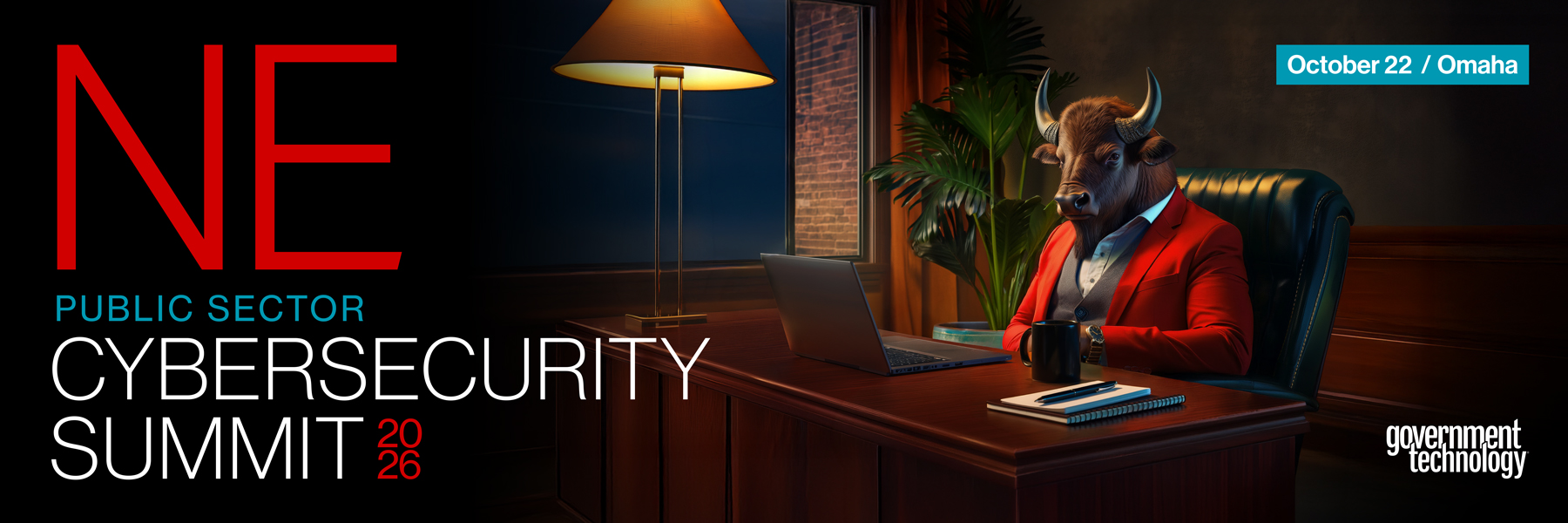
The Nebraska Public Sector Cybersecurity Summit is where government defends the future.
This public sector-focused event brings together IT security leaders, risk managers, and public officials to tackle the evolving cyber threats facing state and local government. Through expert-led sessions, peer exchange, and real-world case studies, attendees gain practical strategies to strengthen cyber resilience, protect critical infrastructure, and lead with confidence in an age of constant risk. Designed specifically for the public sector, this summit delivers insights you can act on and alliances you can trust!
Open to Public Sector only.

A ransomware attack doesn’t care that registration opens tomorrow, researchers need access to critical data or students expect campus services to stay online. For higher education teams, protecting data is only half the challenge. The bigger question is whether the institution can recover the right systems and data quickly enough to keep the campus running.
That requires thinking beyond traditional backup. A layered cyber resilience strategy can combine immutable data protection, threat detection and recovery orchestration to help IT teams spot suspicious activity, protect clean copies of critical data and know what to restore first when an incident occurs.
Join us for a practical conversation about building recovery-ready campus operations. We’ll explore how institutions can strengthen resilience across hybrid environments, connect threat signals with workload context and design coordinated recovery workflows for student services, research systems and administrative applications — without creating more complexity for already stretched IT teams.
Why attend:
- Protect clean recovery copies against ransomware and compromised credentials.
- Spot suspicious activity sooner with stronger threat and data visibility.
- Build a recovery plan around the campus systems that matter most.
- See how institutions reduce outage recovery times from days to hours.
Attend the live webinar to obtain your complimentary certificate of attendance!
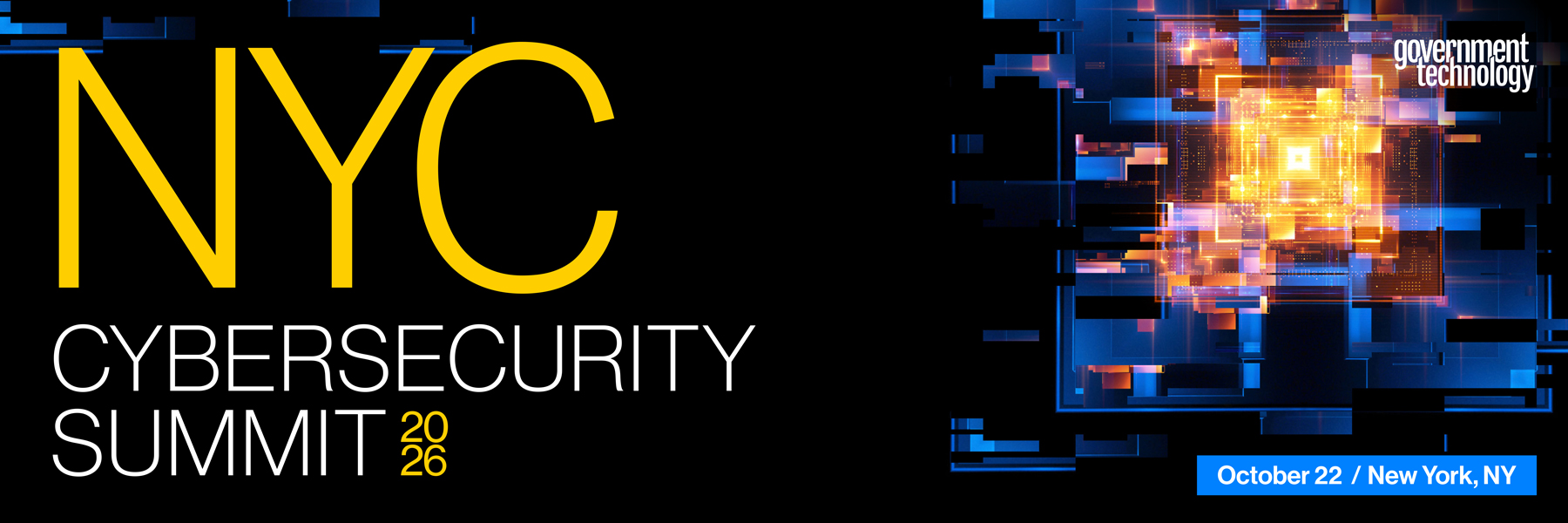
The New York City Public Sector Cybersecurity Summit is where government defends the future.
This public sector-focused event brings together IT security leaders, risk managers, and public officials to tackle the evolving cyber threats facing state and local government. Through expert-led sessions, peer exchange, and real-world case studies, attendees gain practical strategies to strengthen cyber resilience, protect critical infrastructure, and lead with confidence in an age of constant risk. Designed specifically for the public sector, this summit delivers insights you can act on and alliances you can trust!
Open to Public Sector only.
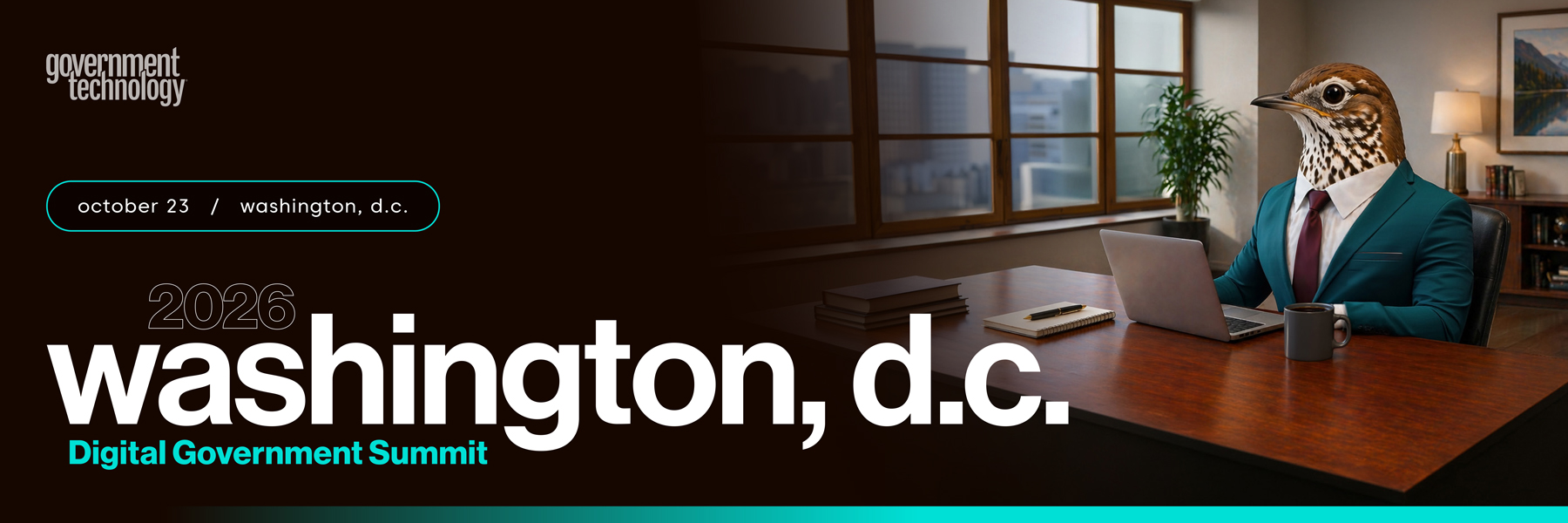
The Washington DC Digital Government Summit is where innovation meets impact!
Bringing together the brightest minds in state and local government, this summit empowers public-sector leaders to explore cutting-edge technologies, modernize operations, and solve pressing challenges. From cybersecurity and AI to data governance and digital service delivery, sessions are designed to spark insight, foster collaboration, and accelerate real-world results. Whether you're shaping strategy or implementing solutions, the Summit delivers valuable peer connections and actionable guidance to help move your mission forward.
Open to Public Sector only.

Government agencies often rely on a patchwork of technologies to manage identity verification, fraud prevention and risk assessment. When those pieces are stiched together, the results can be a Frankenstein stack: disconnected risk signals, complex integrations, added operational overhead and limited visibility.
As fraud tactics evolve and digital programs expand, agencies need a more connected approach. In this webinar, we’ll explore how a unified identity platform can bring intelligence, risk signals, orchestration and decisioning together to give agencies a more accurate and complete view of identity.
Join us to learn:
- What to look for when evaluating a unified identity platform
- How connected signals can reveal a more complete picture of identity
- Why centralized decisioning, visibility and control matter across programs and use cases
- How flexible orchestration can help agencies adapt policies and workflows as needs change
- What to ask technology partners about their intelligence, integrations and ability to scale

Passwords have been a weak link in campus security for years. Now even familiar multifactor authentication methods are being challenged by attacks such as prompt bombing, SIM swapping and attacker-in-the-middle phishing.
Harvard University decided to tackle the problem head-on with a phased shift to passwordless authentication. But rolling it out across a large, diverse university community meant confronting questions that don't show up neatly on an implementation checklist: How do you handle privacy concerns? What happens when faculty and staff resist changing the way they log in? How much choice should users have? And what new attack techniques emerge once passwords are no longer the target?
Join us for an engaging conversation with members of Harvard's information security and data privacy team about what happened when the university put passwordless into practice. They'll share what they expected going in, what surprised them, how their approach evolved and what they would want another institution to know before starting down the same path.
Why attend:
- Hear about Harvard's timeline, unexpected roadblocks and practical lessons for authentication strategies
- Understand what passwordless can protect against, with an eye toward the future
- See why Harvard gave users multiple passwordless options — and how that choice helped increase adoption
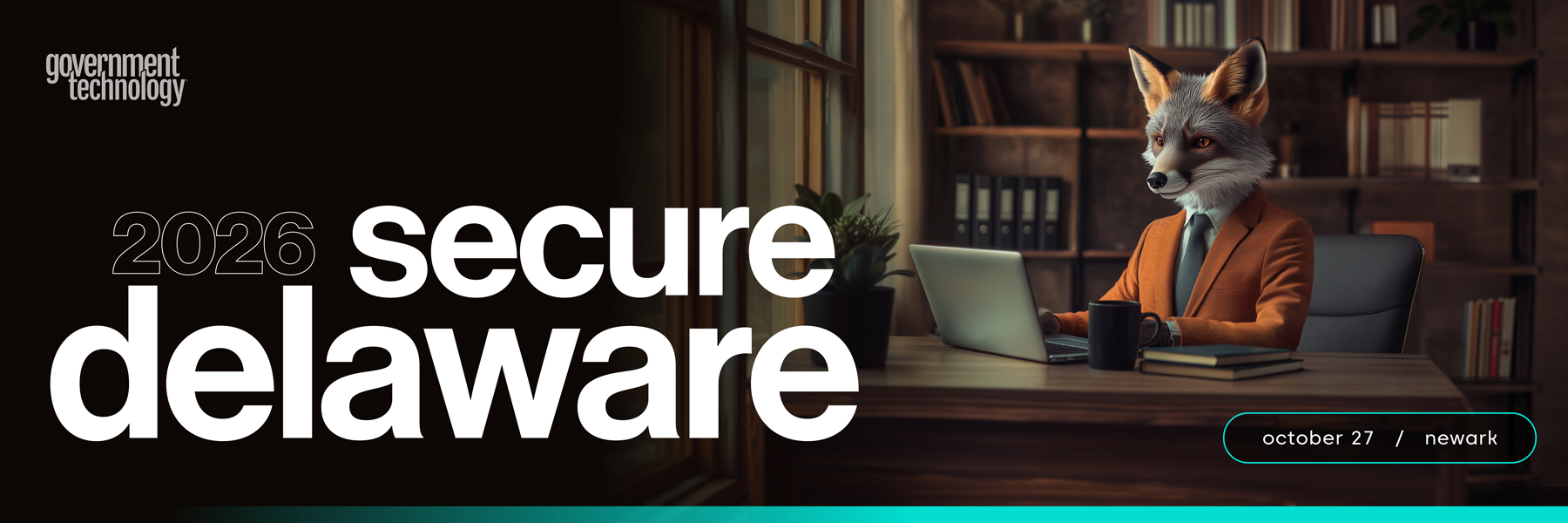
Secure Delaware is where innovation meets impact!
Bringing together the brightest minds in state and local government, this summit empowers public-sector leaders to explore cutting-edge technologies, modernize operations, and solve pressing challenges. From cybersecurity and AI to data governance and digital service delivery, sessions are designed to spark insight, foster collaboration, and accelerate real-world results. Whether you're shaping strategy or implementing solutions, the Summit delivers valuable peer connections and actionable guidance to help move your mission forward.

H.R. 1 is rewriting the operating model for state and county health and human services agencies. Starting January 1, 2027, Medicaid expansion adults must renew coverage every six months and show 80 hours a month of work or other qualifying activity. SNAP agencies now pay 75% of administrative costs, and beginning in FY2028, states with payment error rates of 6% or higher will pay a share of benefit costs for the first time.
That means more notices, more verifications and more calls, with less federal money to handle them. Agencies can't hire their way out, and residents who miss a single letter can lose coverage they still qualify for.
In this 30-minute lightning Q&A, a Twilio public sector expert will explain what H.R. 1 means for everyday agency operations and how HHS agencies are using automated, omnichannel communications to keep pace.
Join us to learn:
- How two-way text, voice and email can reach residents where they are
- How AI-powered self-service can absorb routine calls so caseworkers can focus on complex cases
- How smarter verification supports program integrity without locking out eligible families.
- How funding streams such as the Rural Health Transformation Program and Medicaid Enterprise Systems matching funds can help pay for modernization.
Whether you lead eligibility, operations, IT or program integrity, you'll leave with a practical starting point for the work ahead of the January 2027 deadlines.
Attend the live webinar to obtain your complimentary certificate of attendance!

A resident looking for help with food, housing, health care or employment doesn't care which agency owns the program — they just need to find the right support. But inside government, the information needed to help that person often lives across different agencies, programs and technology systems, making it difficult to coordinate services or even know whether a referral led to assistance.
What if those systems could work together without agencies having to change the technology their teams already rely on?
Join Government Technology for a practical conversation about creating a more connected approach to social care. We'll explore how state and local governments can link data and workflows across agencies and community partners, giving teams a more complete view of a resident's needs and history while allowing existing systems to remain in place. The discussion will also examine how a shared coordination layer can help agencies follow referrals, see whether people actually received services and make social care data more useful across government.
Why attend:
- See how a shared social care record can give authorized teams a more complete picture of a resident's interactions
- Learn how an interoperable platform approach can connect existing case management and agency technology
- Explore how stronger coordination can help agencies track resident outcomes
Attend the live webinar to obtain your complimentary certificate of attendance!
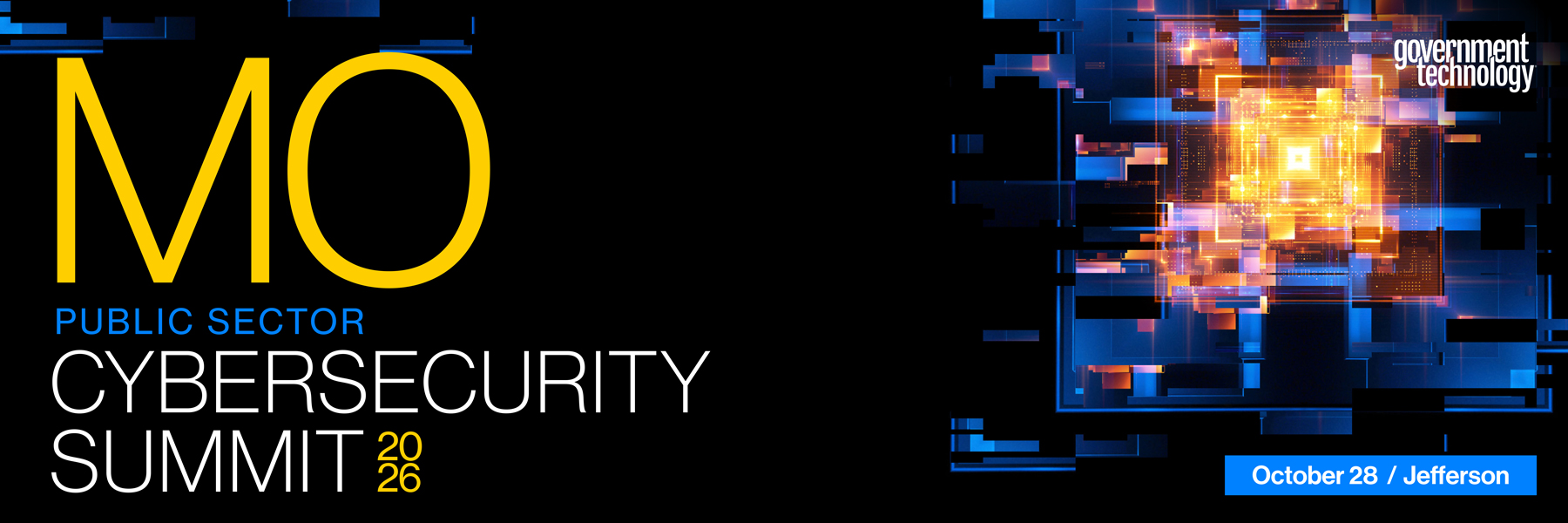
The Missouri Public Sector Cybersecurity Summit is where government defends the future.
This public sector-focused event brings together IT security leaders, risk managers, and public officials to tackle the evolving cyber threats facing state and local government. Through expert-led sessions, peer exchange, and real-world case studies, attendees gain practical strategies to strengthen cyber resilience, protect critical infrastructure, and lead with confidence in an age of constant risk. Designed specifically for the public sector, this summit delivers insights you can act on and alliances you can trust!