Post Quantum Cryptography in the Federal Government
This event qualifies for:
The federal government continues to invest in the development of quantum computing, but agencies are recognizing that it poses a threat to current encryption approaches. The Government Accountability Office summed it up.
“Unlike computers we use today, a sufficiently powerful quantum computer could break cryptography in just a few hours or days compared to the billions of years a conventional computer would take. Public-key cryptography, a common type of cryptography used by federal agencies and critical infrastructure, is specifically at risk.”
Quantum computers powerful enough to break today’s encryption don’t exist yet. But attackers aren’t waiting. They’re already collecting sensitive data in what’s known as harvest-now-decrypt-later (HNDL) attacks.
Transitioning from current cryptographic systems to post-quantum security involves understanding where cryptography is used, assessing which data and systems are most at risk, and planning migration to quantum-resistant algorithms. Achieving quantum readiness requires coordinated action across governance, risk management, technology, and vendor ecosystems to ensure encryption can be replaced safely and on time.
Learning Objectives:
- Identify the five pillars of quantum readiness
- Build a roadmap for achieving quantum readiness
- Establish metrics to track progress toward establishing quantum-resistant encryption
- Incorporate quantum readiness into resiliency projects and programs
Speaker Details
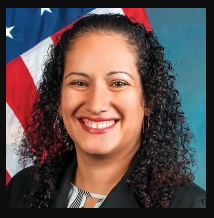
Marisol Cruz Cain
& Cybersecurity Team, U.S. GAO

Richu Channakeshava
Leader, Palo Alto Networks

Mark Krzysko
FedInsider

Rosa Underwood
GSA

Joe Kovba
Leidos
Event Topic
IT, Management, TechnologyRelevant Audiences
All State and Local Government, All Federal Government, National Guard, Air Force, Coast Guard, Navy, City Government, County Government, Municipalities, State Government, CENTRAL INTELLIGENCE AGENCY (CIA), Department of Agriculture, Department of Defense (DoD), Department of Health and Human Services, Department of Justice, Department of Labor, Department of State, National Aeronautics and Space Administration, National Institute of Health, National Security Agency, U.S. Agency of International Development, U.S. Census Bureau, U.S. Postal Service, Veterans AffairsOther Agency
Office of the President (includes OMB), Other Federal Agencies, Judicial Branch Agencies, Foreign Governments/Agencies