Carahsoft Technology Corp.
Carahsoft has built our reputation as a customer-centric organization dedicated to serving the needs of our technology manufacturers, government end users, and reseller ecosystem with Solutions for Government. We have a proven history of helping government agencies find the best possible technology solution at the best possible value. Each customer works directly with a dedicated account representative to determine a solution tailored specifically to meet his or her needs. We combine our extensive knowledge of the technologies we provide, with a thorough understanding of the government procurement process, to analyze needs, provide configuration support, simplify the ordering process, and offer special government pricing.

Upcoming Carahsoft Technology Corp. Events

Join Google Cloud, Zion Cloud Solutions, and Carahsoft to explore how Agentic AI powered by Gemini Enterprise is enabling organizations to orchestrate end-to-end workflows across CRM, ERP, ITSM, and data platforms.
This session will provide a practical, real-world view of how to securely deploy and scale AI—from initial use cases to production-ready solutions.
What will be covered:
- Introduction to Agentic AI — understanding how AI agents move beyond chat to execute real business workflows
- Gemini Enterprise capabilities — built-in agents, enterprise connectors, and secure, identity-aware data access
- Real-world use cases and demos — across functions like IT, HR, Finance, Customer Support, and analytics
- Proven pilot approach — a structured framework to rapidly validate, deploy, and scale AI use cases
Quantum technologies are rapidly moving from research labs to real-world mission applications, creating both unprecedented opportunities and new security challenges for the Intelligence Community and Department of War. At DoDIIS Worldwide 2026, join industry leaders from Arqit and IonQ for an executive-level discussion on how agencies can harness quantum innovation to strengthen national security, accelerate decision-making and prepare for the next era of computing. DoDIIS is a key gathering for the intelligence and defense community, making it an ideal forum to explore the operational impact of emerging technologies. |
Moderated by Harvey Morrison of Marion Square, this panel will examine the path from quantum potential to mission advantage — covering the evolution of quantum computing, the importance of quantum-secure communications and practical strategies for building resilience against future threats. Attendees will gain insights into the technologies, partnerships and planning considerations that can help intelligence and defense organizations maintain a strategic edge in an increasingly complex security environment. |
Tungsten Automation and Carahsoft are excited to invite you to join us at DoDIIS 2026 for our Executive Briefing Series to explore how your team can innovate, adapt, and collaborate.
Data Doesn't Win Battles. Intelligence Does.
The U.S. military already collects more data than humans can process a single Navy warship generates 150 TB daily, and manually reviewing one day of satellite imagery could take decades. The challenge isn't collection; it's turning data into trusted, decision-ready intelligence faster than the adversary.
This session introduces the AI Rubicon framework speed + trust + security and demonstrates how Tungsten Automation's TotalAgility platform, the only intelligent document processing and workflow automation solution with a FedRAMP High ATO, accelerates agentic document processing across the C5ISR mission. Through a live "8-second kill chain" scenario and real operational metrics, attendees will see how TotalAgility compresses the OODA loop while preserving human decision authority and security from the tactical edge to coalition cloud environments.
- Why decision speed, not data collection, is the decisive advantage in modern multi-domain operations.
- How agentic document processing accelerates intelligence, ISR, cyber and C2 workflows with measurable operational gains.
- How a single governed platform delivers secure deployment from the tactical edge to FedRAMP High cloud while maintaining human oversight and auditable provenance.
Join Carahsoft and our vendor partners for our DoDIIS 2026 Executive Briefing Series at DoDIIS!
Our Executive Briefing Series will be three days of complimentary educational sessions designed to give industry a platform to engage current and potential customers on technology solutions for government, military, and academia.

Workforce strategy is more critical than ever for public sector organizations to meet evolving demands, attract top talent, and foster a resilient workforce. Join us for our monthly demos, where we’ll showcase how LinkedIn’s innovative solutions can address your HR challenges—whether it’s talent acquisition, upskilling your team, or enhancing employee engagement. Discover how LinkedIn can empower your organization to:
Don’t miss this opportunity to revolutionize your approach to workforce strategy in public service! |

While 77% of service business owners cite rising costs as their primary challenge, public sector departments face the exact same fiscal pressure to do more with less public funding. Driver behaviors such as speeding and excessive idling quietly reduce margins every day. For example, a fleet of 15 vehicles idling for one hour per day can create $15,840 in annual losses, often without leadership realizing how quickly the waste adds up. Improved fleet visibility gives organizations a proven way to regain control. Fleets that adopt intelligent routing, proactive maintenance tracking and fuel card integrations save an average of 12% on fuel costs while improving overall efficiency. In one real-world case study, deploying these tools helped deliver $23,000 in fuel savings and helped eliminate $190,000 in unnecessary overtime. In this Verizon Connect webinar, attendees will learn how to:
Register today to gain practical strategies from Verizon Connect for reducing fuel waste and improving fleet performance. |

- How peers are overcoming common institutional data challenges with Alteryx
- Proven tips and techniques for building more efficient, scalable and maintainable workflows
- Best practices for reducing manual processes and accelerating time-to-insight
- Real-world use cases and success stories from colleges and universities across the education sector
- How higher education institutions are using Alteryx to automate reporting, improve data quality and support strategic initiatives
Dell Technologies and Carahsoft would like to invite you to our Networking in the Rhythm of New Orleans event. Please join us on August 11th at 6:00pm for cocktails, appetizers, and networking opportunities!
Zignal Labs, Janes, Fivecast, Recorded Future and Carahsoft are excited to present this Executive Briefing at DoDIIS 2026, where government and industry leaders will explore how open-source intelligence is driving faster, more informed decision-making across today's defense and intelligence missions.
As the speed of modern conflict continues to reshape intelligence operations, publicly available and commercially sourced intelligence is becoming the "INT of first resort" for delivering early warning, operational awareness and strategic insight. Join our expert panel to discuss how AI-enabled exploitation, commercial GEOINT, social media analysis, cyber threat intelligence and data fusion are helping analysts identify threats faster while addressing challenges such as trust, verification, analyst workflow modernization and balancing automation with human judgment.
Attendees will learn:
- How to balance automation with human judgment while ensuring trust, verification and analyst confidence in AI-driven intelligence
- Best practices for integrating commercial intelligence into existing defense and intelligence architectures
- How AI-enabled exploitation, commercial GEOINT, social media analysis, cyber threat intelligence and data fusion are transforming modern intelligence workflows
- How defense organizations are operationalizing OSINT to accelerate mission-critical decision-making
Red Hat and Carahsoft will host an Executive Briefing at DoDIIS 2026 on Tuesday, August 11th, where Red Hat Chief Architect and Security Strategist, Michael Epley, will outline a technical blueprint for establishing Automated Shields within military networks.
U.S. adversaries are using generative AI to rapidly identify vulnerabilities, evade detection and automate sophisticated attacks, rendering traditional perimeter defenses and manual patching ineffective, especially in contested or DIL environments. The Department of War and Intelligence Community are uniquely positioned to counter these machine-speed threats through advanced cyber capabilities.
At this executive briefing, Red Hat will discuss the critical elements of this blueprint:
- AI-secured sovereign supply chains with task-tuned models automating continuous Test, Evaluation, Validation, and Verification (TEVV)
- Enforced Zero Trust utilizing anchored and cryptographically secure agents and workload identities (SPIFFE/SPIRE)
- Securely backport hardened Open Source software supply chain patches directly into air-gapped enclaves
- Leveraging ground-truth system telemetry, executing closed-loop Defensive Cyberspace Operations (DCO) via event-driven automation
- Coordinating secure cross-domain threat intelligence sharing
Armed with this blueprint, our Government defenders can re-establish decision dominance and preserve mission integrity against autonomous adversaries.
As ransomware threats continue to evolve and target backup environments, public sector organizations must move beyond traditional backup strategies and adopt a modern approach to cyber resilience. Secure, immutable data protection and rapid recovery capabilities are essential to maintaining operations and minimizing the impact of cyberattacks.
Join Rubrik and Carahsoft to discover how Rubrik’s Zero Trust Data Security platform helps state and local governments, educational institutions and other public sector organizations protect critical data, strengthen cyber resilience and support compliance requirements. Learn how immutable backups, logical air-gapping and automated data security capabilities help organizations recover quickly and confidently from cyber incidents.
During this session, we will explore Rubrik’s security-first architecture and demonstrate key capabilities, including threat monitoring, sensitive data discovery, risk assessment and rapid recovery planning.
Explore elements of Rubrik's Zero Trust Data Security platform, including:
- Immutable backups and logical air-gapping.
- Cyber resilience and ransomware recovery.
- Sensitive data discovery and compliance readiness.
- Threat monitoring and risk assessment.
- Operational resilience and rapid recovery.
Join us for a day of in-person workshops designed to help you accelerate mission outcomes and drive greater value across your organization.
This interactive event brings together ServiceNow customers and experts to explore how Strategic Portfolio Management (SPM), Enterprise Architecture (EA), Asset Management (ITAM) & IT Operations Management (ITOM) can work together seamlessly on a single platform.

Revenue growth isn't just a sales challenge — it's a cross-functional one. When quoting, fulfillment, and customer service run on disconnected systems, deals stall, margins erode and customers churn before the ink dries on renewal.
ServiceNow Customer Service Management (CSM) and Configure Price Quote (CPQ) are purpose-built to close that gap. Together, they create a seamless quote-to-cash experience — from accurate, AI-assisted configuration and pricing, through frictionless order management, to proactive post-sale service that drives retention and expansion.
Whether you're a business leader focused on top-line growth, an IT leader rationalizing your CRM stack, or a service leader accountable for retention — this session will show you what's possible when your revenue journey runs end to end on ServiceNow.
In this session, you'll learn how ServiceNow CRM helps your organization:
- Accelerate deal velocity with guided selling and automated approvals that cut quote cycle times
- Eliminate revenue leakage by connecting sales commitments directly to service delivery
- Deliver proactive customer experiences that reduce churn and surface upsell opportunities at the right moment
- Empower every team — sales, service and operations — with AI-powered insights on a unified platform
Babel Street and Carahsoft are excited to invite you to join us at DoDIIS 2026 for our Executive Briefing Series to explore how your team can innovate, adapt and collaborate.
Modern conflict is unfolding across physical, digital and information environments at a speed and scale that challenges traditional intelligence workflows. Open-source information, AI-enabled analysis and human tradecraft are converging into a new intelligence stack that can help mission teams collect, connect, validate and assess global signals faster.
Discover how the next generation of intelligence workflows combines data, AI and human tradecraft to help analysts move faster without sacrificing rigor. The session will examine practical approaches to accelerating warning, improving decision advantage and maintaining transparency, provenance and human judgment in contested operational environments.
Events We Are Sponsoring

The National Homeland Security Conference brings together professionals in Homeland Security, Law Enforcement, Fire and Emergency Management. They include officials in federal agencies, nonprofit agencies, business owners, universities and decision makers who attend to learn about emerging trends in homeland security and see the new equipment and technology available to support their mission. Last year's conference was ground breaking for exhibitors and attendees. #NHSC2026 at the Kentucky International Convention Center promises to deliver another record breaking experience. The early bird registration rate is $700. After May 29th, the rate is $775! Registration closes on July 10th.

State and local governments are embracing AI at different speeds and with varying levels of maturity. Massachusetts, for example, has implemented ChatGPT across its entire state government workforce, providing training in its use, outreach and engagement to answer workers’ questions, while making its use voluntary.
State government employees across the country are using AI for numerous applications, without going as far as Massachusetts. Many are using AI to search complex state policies and procedures quickly. Some agencies are using it for communications support, such as drafting high-volume resident replies and translating public announcements.
Learning Objectives:
- Review where your agency is in its use of AI and whether there are areas that need strengthening in order to expand AI functionality
- Identify metrics that apply to improved performance through the use of AI tools
- Outline specific steps you can take to help your agency expand the use of AI to improve outcomes that meet your mission requirements

As agencies move to implement AI throughout their organizations, most are finding their AI efforts disrupted by fragmented, low-quality, or inaccessible data. This is a problem government shares with the private sector – a recent survey found that 79% of respondents said their AI initiatives are being hindered by limited access to data across environments.
These are not new problems for the government. There are still issues with data fragmentation and silos, poor data quality, complexities in applying governance and security requirements, and technical debt – legacy systems aren’t designed for modern analytics needs. And. of course, the pace of data generation continues to accelerate, adding to the pressure to clean and restructure massive numbers of datasets. That recent survey found that 60% of AI projects may be abandoned due to poor data readiness.
Learning Objectives:
- Outline the particular challenges in data readiness faced by your agency
- Delineate the steps to address those challenges, including prioritization and resource allocation
- Establish metrics to measure improvements in data quality so your agency datasets can be used by AI tools to produce trusted solutions

There is widespread recognition in federal agencies that they face increasingly sophisticated AI-driven threats. At the same time, agencies must also contend with evolving compliance mandates and shrinking budgets.
To simultaneously protect missions, ensure compliance, and align with federal efficiency and budget goals, agencies need to adopt modern, compliance-aligned endpoint detection and response (EDR) security strategies that enable full, real-time endpoint visibility while reducing false positives and preventing cost creep.


State and local agencies are exploring how to incorporate artificial intelligence (AI) into their operations – as long as they observe their own state-level and any applicable federal-level regulations.
To meet these requirements, AI governance and compliance platforms help organizations manage, monitor, and enforce policies for safe, ethical, and legal use of AI, covering the entire lifecycle from development to deployment, by automating risk assessment, bias detection, and access control. These platforms centralize control, provide transparency, track data lineage, and automate auditing to build trust and prevent issues like unfair outcomes or data breaches.
Learning Objectives:
- Outline the capabilities of AI management and compliance platforms and match them to the needs of your agency
- Delineate the use of the platforms to maintain auditability and traceability
- Understand how these platforms can guard against “shadow AI,” unauthorized use of AI within the agency

Join us as thought leaders from government and industry share their expertise, their experiences, and their suggestions for harnessing the power of AI to provide noticeable improvements to internal operations while improving security and opening up opportunities for new and expanded services to their constituencies.
Agencies throughout state, local, territorial, and tribal governments are being encouraged to incorporate artificial intelligence (AI) into their everyday operations, to streamline processes, modernize outdated systems, and strengthen cybersecurity defenses. Using AI is viewed as one promising way to deal with shrinking budgets and increased demand for services by citizens.
This three-day event addresses key issues that agencies must contend with in ensuring that investment in AI generates maximum benefit.
Learning Objectives:
- Outline the capabilities of AI management and compliance platforms and match them to the needs of your agency
- Delineate the use of the platforms to maintain auditability and traceability
- Understand how these platforms can guard against “shadow AI,” unauthorized use of AI within the agency
- Identify available AI tools to determine which best fit the security needs of your agency
- Review ways to integrate AI cybersecurity into existing defenses
- Understand the nature and magnitude of the threats posed by AI-empowered attacks
- Delineate places in your agency’s IT systems where AI can serve as a bridge between legacy systems and new services for citizens
- Establish priorities for tasks and processes that can be streamlined through the use of AI tools
- Outline metrics that can measure improvements, such as improved accuracy in testing, cost savings through reductions in outside labor costs (such as coding), and faster turnaround time in updating apps

It is widely recognized that the introduction of AI tools is a two-edged sword when it comes to cybersecurity. Attackers, whether profit-driven hackers or hostile nation-states, are using AI to launch faster, wider-spread and more sophisticated attacks, including AI-generated phishing and spear phishing emails, malware capable of adapting to changes in defensive responses, and deepfakes that are very hard to detect.
State and local agencies are attractive targets, since there are many more of them and often do not have the financial or IT resources of federal agencies.
This makes state and local agencies’ use of AI in cyber defense critical – AI tools can operate at machine speed and scale and adapt in response to evolving threats. These tools can significantly improve threat detection and intelligence by identifying anomalies and patterns signaling attacks under way; automating incident responses such as isolating compromised devices and resetting credentials; using Natural Language Processing (NLP) to flag sophisticated phishing and social engineering attacks; and prioritizing vulnerabilities to emphasize the most critical risks.
Learning Objectives:
- Identify available AI tools to determine which best fit the security needs of your agency
- Review ways to integrate AI cybersecurity into existing defenses
- Understand the nature and magnitude of the threats posed by AI-empowered attacks

At its annual conference in October 2025, the National Association of State CIOs (NASCIO) focused on “measurable modernization” facilitated by artificial intelligence (AI). Intelligent, AI-powered tools can streamline IT, converting slow, manual legacy system upgrades into faster, cheaper, and more secure processes by automating code analysis, testing, data migration, and even generating code, ultimately making systems more efficient, scalable, and future-proof while freeing humans for higher-value tasks.
There are several ways AI is suited to improve operations. To name just a few:
- By analyzing legacy code, such as COBOL, to understand its structure, find inefficiencies and even rewrite it into modern coding languages, AI reduces legacy debt and eases manpower needs for obsolete coding skills.
- AI tools can automate testing and quality controls, significantly speeding up quality assurance and moving apps to more easily supported operations.
- Using AI can generate predictive maintenance, identifying potential system failures and enabling self-healing capabilities.
Learning Objectives:
- Delineate places in your agency’s IT systems where AI can serve as a bridge between legacy systems and new services for citizens
- Establish priorities for tasks and processes that can be streamlined through the use of AI tools
- Outline metrics that can measure improvements, such as improved accuracy in testing, cost savings through reductions in outside labor costs (such as coding), and faster turnaround time in updating apps


The telecommunications industry is working hard to make the transition from 5G to 6G a reality. The General Services Administration reported last year that the target for establishing 6G as the commercial standard is 2030, because it will require research, innovation, and international agreement on new interoperability standards.
Over the course of three sessions, thought leaders in government and industry will discuss the opportunities and technical advancements being explored, including a closer look at two of the most significant projects now underway to prepare for a 6G-enabled world.
Session 1: OCUDU – The Search for Open Source Hardware
OCUDU (Open Centralized Unit/Distributed Unit) is a collaborative initiative and open-source project, hosted by the Linux Foundation, aimed at accelerating the development and deployment of 5G and 6G Open Radio Access Networks (Open RAN). It provides a common, carrier-grade, open-source software foundation for the CU and DU layers, which are critical components of radio access networks. The intent of OCUDU is to break vendor lock-in and accelerate the transition from proprietary, hardware-locked RAN systems to software-defined, open ecosystems.
- Amanda Toman, Director, Public Wireless Chain Supply Innovation Fund, NTIA
- Dr. David Kirkwood, Program Manager, OCUDU, OUSW R&E FutureG
Session 2: Turning Mobile Devices into Radar
Integrated Sensing and Communication (ISAC) is a 6G technology that enables wireless networks to simultaneously transmit data and detect objects, essentially turning mobile networks into radars. It uses shared radio signals, infrastructure, and hardware to track, locate, and image objects in real-time, improving network efficiency and enabling new, high-precision services. ISAC reduces hardware costs and saves spectrum resources by consolidating functions. It is considered a cornerstone of 6G, enabling faster, more reliable communication.
- Tyrell Junis, Co-Founder & Chief Operating Officer, Tiami Networks
Session 3: Maximizing 5G While Waiting for 6G – the Role of AI
Today’s advanced 5G networks are the essential first step to create an intelligent digital fabric. They provide higher upload speeds and open network interfaces for developers to use. They also make networks more programmable and easier to automate. So while the future may be 6G, investments made today into building out 5G and 5G standalone (5G SA) networks will not be stranded; they enable AI apps today and will be incorporated into the rollout of 6G tomorrow.
- Brian Vu, Cybersecurity & Enterprise Infrastructure Solutions Architect, GSA (Pending Approval)
- Anthony Lawson, Field Chief Technology Officer, Ericsson
- Victor Spahic, Executive Leader, T-Moble Secure Federal Operations
Learning Objectives
- Understand the components and processes that comprise Open RAN systems
- Evaluate your agency’s systems and the groundwork that can be done now to prepare for open source hardware
- Identify the system requirements to incorporate ISAC into your agency’s edge devices
- Delineate steps to maximize AI use in ISAC-enabled networks, including assessment of available databases and their cleanliness
- Determine what additional information needs to be gathered to utilize ISAC capabilities
- Delineate the investments your agency has planned and how they can adapt to 6G in future use
- Begin building a plan to harness 6G capabilities to enhance your agency’s performance and achievement of mission

The next era of cybersecurity is already here, and it’s no longer just about defending networks. Agencies must now prepare for a future shaped by AI-driven threats, evolving technology requirements and increasing expectations for resilience across critical services.
Join us online Wednesday, Aug. 26, from 2–2:50 p.m. ET/11–11:50 a.m. PT, as government and industry experts discuss how agencies are readying their strategies, systems and services for the next era of cybersecurity.
You'll learn:
- How agencies are preparing for emerging cyber threats.
- The role of AI and other technologies in modern cyber defense.
- Practical lessons from public-sector cybersecurity leaders.

Join more than 2,000 intelligence, defense, and national security professionals on August 26-27 for the 13th annual AFCEA/INSA Intelligence and National Security Summit.
Co-hosted by AFCEA and INSA, the nation’s leading non-profits dedicated to public-private partnership, the summit brings together leaders from government, academia, and industry for two days of mission-focused discussion. From plenaries and ignite rounds to an exhibit hall featuring the latest IC innovations, the program fosters genuine collaboration across the community.
Because we are non-profit organizations, your registration and sponsorship do more than fund an event; they directly support the professional workforce and the mission-critical initiatives we lead year-round!

Getting new capability into the field shouldn’t take years. When the mission demands change, organizations need solutions that can be deployed quickly and perform in real operational environments, even when connectivity is limited.
The U.S. military is learning what changes after a capability is fielded, from faster mission workflows to more reliable operations, and how those lessons can inform future deployments. The U.S. Army staged Project Convergence-Capstone 6 (PCC6) in late July to rigorously experiment with future technologies by significantly expanding the scope, scale and complexity of operations tested in earlier exercises.
Learning Objectives:
- Examine how the PCC6 exercise went from delivery to mission operations in months
- Review how mission operations continued when network connectivity was limited
- Outline how one successful deployment can accelerate future fielding
- Evaluate why time to value determines mission impact

The 2026 Navy Summit brings together senior Navy leaders, defense officials and industry executives to examine how emerging technologies are shaping the future of naval operations. From digital modernization and autonomous systems to cyber resilience and advanced platforms, the event will highlight how the Navy is prioritizing innovation while balancing readiness, sustainment and resources.
For government contractors, the summit offers direct access to the Navy’s most influential voices. Attendees will hear firsthand how leaders are aligning mission needs with investment strategies, connect with peers across the defense industrial base and engage with leading sponsors supporting the next generation of naval capabilities.
Events Where We Are Exhibiting

TechNet Augusta 2026 gives participants the opportunity to examine and explore the intricacies of the cyber domain. With assistance from the U.S. Army Cyber Center of Excellence and industry experts, the conference is designed to open the lines of communication and facilitate networking, education and problem solving. Leaders and operators also discuss procurement challenges the military, government and industry face during a time of uncertain budgets and runaway technology advances.
The North Carolina Digital Government Summit is where innovation meets impact!
Bringing together the brightest minds in state and local government, this summit empowers public-sector leaders to explore cutting-edge technologies, modernize operations, and solve pressing challenges. From cybersecurity and AI to data governance and digital service delivery, sessions are designed to spark insight, foster collaboration, and accelerate real-world results. Whether you're shaping strategy or implementing solutions, the Summit delivers valuable peer connections and actionable guidance to help move your mission forward.
The Department of the Air Force Information Technology and Cyberpower Training and Education Event (DAFITC) will take place in Montgomery, AL from August 24-26, 2026.
This year, thousands of Air Force peers, along with private sector leaders in the IT and cyber security field convened to network, discuss, connect, and learn about the newest and most prevailing threats to our global networks and national defense. DAFITC 2026 is expected to featured 140+ breakouts, an exhibit hall with over 200 vendor booths, and over 4,000 attendees, speakers, and exhibitors.
Attendees will hear from leading voices in the public and private sectors, hearing a range of ideas, opinions, and assessments of the current state of all things cyber as well as insights into what the keys to future success might look like.

The California Government Innovation Summit is where innovation meets impact!
Bringing together the brightest minds in state and local government, this summit empowers public-sector leaders to explore cutting-edge technologies, modernize operations, and solve pressing challenges. From cybersecurity and AI to data governance and digital service delivery, sessions are designed to spark insight, foster collaboration, and accelerate real-world results. Whether you're shaping strategy or implementing solutions, the Summit delivers valuable peer connections and actionable guidance to help move your mission forward.
Join more than 2,000 intelligence, defense, and national security professionals on August 26-27 for the 13th annual AFCEA/INSA Intelligence and National Security Summit.
Co-hosted by AFCEA and INSA, the nation’s leading non-profits dedicated to public-private partnership, the summit brings together leaders from government, academia, and industry for two days of mission-focused discussion. From plenaries and ignite rounds to an exhibit hall featuring the latest IC innovations, the program fosters genuine collaboration across the community.
Because we are non-profit organizations, your registration and sponsorship do more than fund an event; they directly support the professional workforce and the mission-critical initiatives we lead year-round!
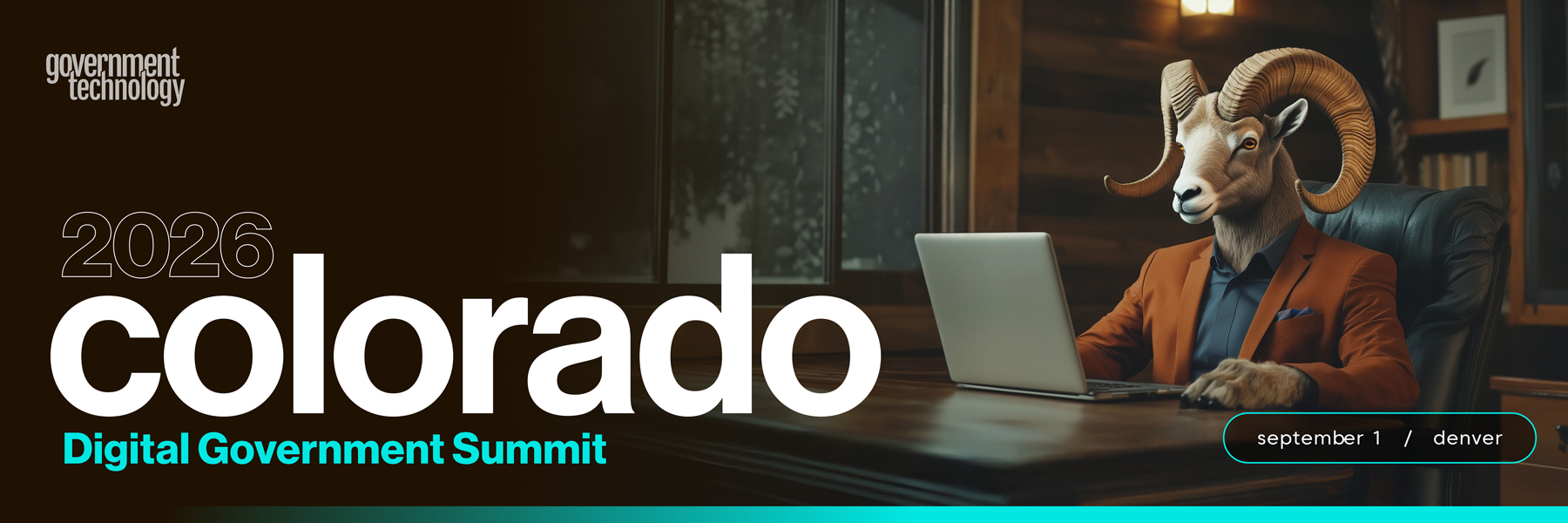
The Colorado Digital Government Summit is where innovation meets impact!
Bringing together the brightest minds in state and local government, this summit empowers public-sector leaders to explore cutting-edge technologies, modernize operations, and solve pressing challenges. From cybersecurity and AI to data governance and digital service delivery, sessions are designed to spark insight, foster collaboration, and accelerate real-world results. Whether you're shaping strategy or implementing solutions, the Summit delivers valuable peer connections and actionable guidance to help move your mission forward.
Open to Public Sector only.

The Connecticut Digital Government Summit is where innovation meets impact!
Bringing together the brightest minds in state and local government, this summit empowers public-sector leaders to explore cutting-edge technologies, modernize operations, and solve pressing challenges. From cybersecurity and AI to data governance and digital service delivery, sessions are designed to spark insight, foster collaboration, and accelerate real-world results. Whether you're shaping strategy or implementing solutions, the Summit delivers valuable peer connections and actionable guidance to help move your mission forward.
Open to Public Sector only.
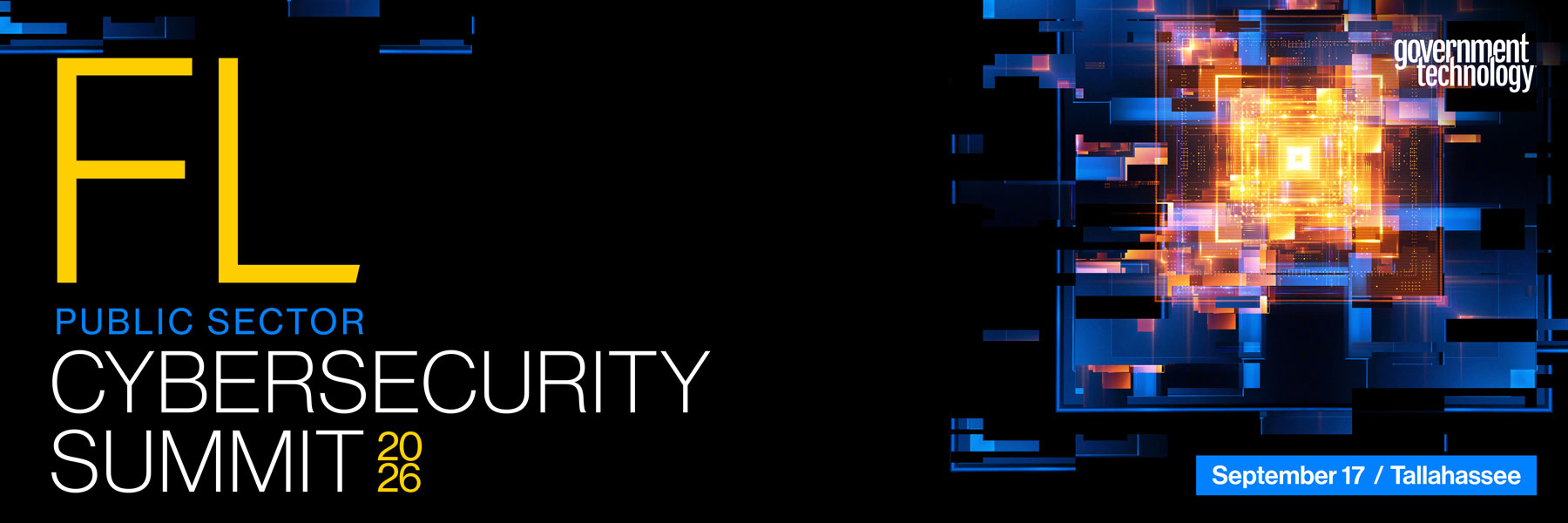
The Florida Public Sector Cybersecurity Summit is where government defends the future.
This public sector-focused event brings together IT security leaders, risk managers, and public officials to tackle the evolving cyber threats facing state and local government. Through expert-led sessions, peer exchange, and real-world case studies, attendees gain practical strategies to strengthen cyber resilience, protect critical infrastructure, and lead with confidence in an age of constant risk. Designed specifically for the public sector, this summit delivers insights you can act on and alliances you can trust!
The TribalNet Conference & Tradeshow is the annual gathering of the TribalHub community. It is not just another conference; it is an experience! This is one of the only events truly dedicated to Native American government, gaming, and health technology – with topics that are relevant to what is going on both nationally and locally. The attendees and vendors are open, engaged and ready to make valuable connections! In today’s world, it’s more essential than ever, for business leaders to utilize cutting-edge technologies and leadership strategies across all departments to create sustainable growth and success. The TribalNet Conference & Tradeshow is a great opportunity to take advantage of a growing network of resources, experience and industry connections, ensuring that enterprise and government leaders are in possession of the tools and information that they need to thrive in their industries.
What will you gain by attending?
- Valuable Connections with Vendor Partners and Industry Peers
- Opportunities for Collaboration with other Tribes
- Practical Tools for Business Growth
- Knowledge of the Latest Technology Tools and Resources
Each year, SC provides the leading technical program for the HPC community. The Program is designed to share best practices in all areas of high performance computing. Become a contributor and share your excellence. Presenting at SC is extremely rewarding.
Here’s your opportunity to meet and interact with industry, research organizations, universities, and startups joining us from across the globe. As an exhibitor, showcase your cutting-edge technologies, products, and services to thousands of attendees.
The Students@SC program offers a broad range of volunteer experiences, cluster competitions, and networking opportunities. Put your professional development into overdrive and identify the possibilities within the field of high performance computing.
Industry, academia, and government experts volunteer to design, build, and administer the cutting-edge SCinet infrastructure, providing internet connectivity for attendees and pushing the boundaries of network innovation through research and demos.
The Florida IT Leadership Forum is where tomorrow’s government leaders grow today.
This invitation-only gathering brings together state and local IT executives, emerging leaders, and visionary thinkers for candid conversations on the future of public-sector technology. Focused on leadership development, innovation, and strategy, the Forum goes beyond the tech to address the people, policies, and practices shaping digital government. Through peer exchange and practical sessions, participants gain the insights, relationships, and skills needed to lead their organizations and communities into the future.
For more information or to request an invitation, please contact Jennifer Caldwell.