
The Value of Vendor-Led Events

On the surface it may seem easy to write off vendor-organized events as one big sales ploy, but by doing so, you may miss out on valuable professional development and experiences. While admittedly vendors put on events to drive sales, these events are not just a long sales pitch. Instead, they are designed to educate the audience on solutions to the challenges they are facing day in and day out. And yes, that vendor's solution may "just so happen" to provide the technology and functionality being discussed, but that does not mean there is nothing to gain by attending.[Tweet "While vendors put on events to drive sales, they are not just long sales pitches. #GovEventsBlog"]

Here are several reasons to add vendor-driven events to your 2018 calendar:

  • No one does it alone. The reality is in today's complex IT and data environment there is a wide variety of solutions that have to work together to get business done. Organizations need to understand how different technologies work together. Vendor-driven events provide an opportunity for discussion and hands-on demos. Take a glance at the agenda for vendor-led events and you'll typically see speakers and presenters from several different companies. Shows that do offer multiple presenters are more likely to be well-rounded and offer numerous ways to approach key challenges.
  • Government speaks. You'll often see government professionals discussing their successes (and failures) at most vendor-driven shows. What we hear again and again from our vendor partners is that government representatives are hungry to talk about what's working and to collaborate with peers. You won't hear endorsements from these government speakers, only the straight facts about what they implemented and how it worked.
  • Find your ROI. The reality is that government agencies at all levels are invested in technology brands. Knowing everything you can about what that technology offers helps you to get the most out of that investment. The chance to get hands-on with solutions under the guidance of the people who designed it is an incredible opportunity that you cannot get in your day-to-day work.[Tweet "Several reasons to add vendor-driven events to your 2018 calendar. #GovEventsBlog"]

Continue reading

19 Actionable Steps to Protect Online Privacy – Part 4 of 4

From time to time GovEvents will come across information we feel our members and audience would benefit from. Here's something we wanted to share:

  1. Consider not using Google

This goes not only for the main Google search engine but also all of the other tools - Google Analytics, Gmail, Google Apps, Google Drive, etc.

Due to its huge network and portfolio of tools, Google knows basically everything about you there is to know. Whether you're comfortable with this from an online privacy point of view is up to you.

When it comes to the main search engine, DuckDuckGo is an alternative worth considering, or even Bing (but then we're back in camp Microsoft).

As for things like Gmail and Google Drive, there are multiple viable solutions on the web. For example, SpiderOak is an interesting alternative to Google Drive and Dropbox that even has Edward Snowden's approval.

  1. Probably delete Facebook from your phone

There have been multiple stories appearing lately describing Facebook's alleged "in the background listening" practices. Some people are reporting concerns related to the Facebook app listening on to the conversations they're having over the phone and then suggesting ads based on the things mentioned in those conversations.

In all likelihood, or at least we'd like to believe so, this is not entirely plausible - and Facebook obviously denies. However, getting rid of the Facebook app from your phone surely won't hurt your overall online privacy.

Continue reading

19 Actionable Steps to Protect Online Privacy – Part 3 of 4

From time to time GovEvents will come across information we feel our members and audience would benefit from. Here's something we wanted to share:

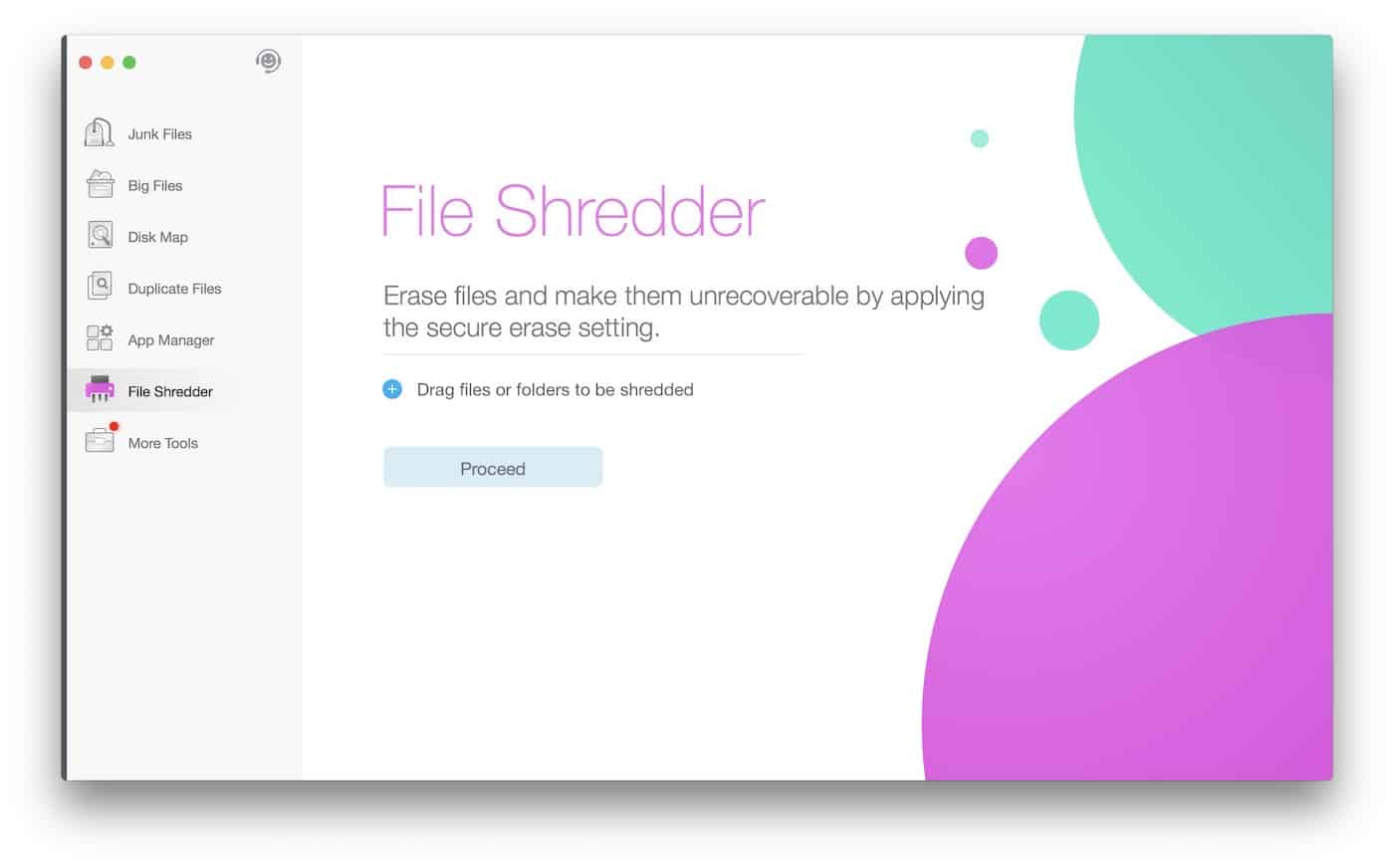
File shredder by Dr. CleanerOnline privacy is a topic that grows in importance every single year. With more and more web services, connected apps, and even home assistant devices that are gaining in popularity, it's now more crucial than ever to understand what the dangers to your online privacy are and how to protect it consciously.

This online privacy guide is all about that.

Here are 19 actionable steps to help you remain anonymous on the web and protect your online privacy. No sophisticated computer knowledge required.

  1. Update to a newer mobile device

It seems that every year companies like Apple, Samsung, Google try to convince us to buy the latest smartphone and toss our old ones away. Naturally, we resist. But we can't resist forever. At least not if we don't want our online privacy to take a hit.

What we need to remember is that modern mobile devices are computers. Just like your desktop PC or Mac, but only slightly less powerful. Therefore, they're also prone to various security threats, and just like any other device, they require constant updates to stay secure.

New devices are being updated constantly, so that's no problem. Older ones, not so much.

For example, Nexus 7 - a device that's still relatively popular (you can buy them on eBay right now) stopped getting security patches after June 2015. This means that whoever's using it has been left on their own and exposed to new security threats for more than two years now.

Whether we like it or not, at some point, a new device is unavoidable. Continue reading

How To Maximize Your Public Sector Events: A Q & A With Kerry Rea Of GovEvents

Recently Katie Hanusik with SpeakerBox Communications interviewed GovEvents President, Kerry Rea. Here's the article we wanted to share:

I recently had a chance to catch up with Kerry Rea, President of GovEvents, who shared her thoughts on the changing government events landscape. In the following Q&A, she discusses how topics have changed over time, how event planners can ensure success for their public sector events, and how to avoid common event planning mistakes.

Q: Can you give us a quick overview of GovEvents?

GovEvents was created as a complimentary service to government and military personnel, contractors, vendors, and event organizers to provide one place on the web to find and post government-related events. Without GovEvents, government personnel looking for professional development and networking opportunities would have to search numerous sites and monitor dozens of email newsletters to get a look at options open to them. Industry had the same challenge in developing their event plans each year - determining which events to attend, exhibit, and sponsor.

The site provides in-depth information on hundreds of events, from major industry tradeshows and government conferences, to agency-sponsored roundtables, government job fairs, training events, webinars, and on-demand webcasts.

The site has grown to more than 80,000 members. On average, 90% of the events on GovEvents are posted by members. Continue reading

Did We Get it Right? 2017 Government Events Year in Review

It's the beginning of 2018, and with it brings reflection on goals and actions of the past year. Today we take a look back at our predictions for government events in 2017 to see how we did.[Tweet "Did We Get it Right? 2017 Government Events Year in Review. #GovEventsBlog"]

  • Focus on Change - Going into 2017, we knew that we were no longer looking at business as usual with the new administration coming in. While we could not have predicted the numerous changes and events of the past year, we did know that everyone involved in government was going to need a refresher in change management. We predicted a larger number of events focused on the formal practice of change management as well as change being a theme in a number of events. This year we had 22 events specifically focused on change management versus 14 in 2016, so there was a slight uptick.
  • Changes in Speaker Line-Ups - In anticipation of agency directors being replaced, we expected to see some new faces in the speaking line-ups for government events. We also thought some of the newly appointed agency heads would be speaking, leading to a fresh crop of speakers across the government event landscape. While this prediction did not necessarily come to pass, we did notice that more events were using big name speakers to draw attendees and to differentiate their shows. We saw speakers associated with interesting, high profile cases and news events. We also saw more government events using leaders from the commercial side of business to share the latest details on technologies and best practices that can be applied in government.[Tweet "GovEvents takes a look back at our predictions for government events in 2017. #GovEventsBlog"]
  • Increased Use of Data - Working with our event partners, we are seeing this trend come to fruition. Organizations are interested in feedback from us on their GovEvents' campaigns. Specifically, they want to know where leads are coming from (email vs. ads), and want to track those leads once they get to their site. They are using this information to better tailor their marketing and outreach to grow their audience.
  • More Video - The ubiquity of video on social media is making video a must-have as part of event promotion and marketing. In our recent survey we found that 31% of respondents have added streaming video to their events in the last two years. It's a trend that we're excited to see continue and evolve, as it livens up the content presented at events.

[Tweet "In a year of change, the event market for government has been a steadying force. #GovEventsBlog"]In a year of so much change and uncertainty, the event market for government has been a steadying force. Attendance at and availability of events has remained stable, proving that events provide a place for colleagues to come together and have meaningful discussions about challenges, successes, and concerns. Now more than ever, these venues are proving their worth in bringing the government community together to discuss the issues that impact their mission.