


 Equity is highlighted in priority two of the President's Management Agenda (PMA), Delivering Excellent, Equitable, and Secure Federal Services and Customer Experience, and is a theme throughout all PMA priorities. Disaster response is possibly the most critical place to ensure equity. While a disaster does level the playing field in some ways-no matter how much money you have it won't stop a tornado from hitting your house-the recovery from disasters is not as fairly distributed.
A 2021 report from the Government Accountability Office (GAO) found that disaster response is "uneven" across the country. The research found that small towns, rural and tribal areas, and underserved and disadvantaged communities have a hard time accessing federal disaster recovery assistance programs. Those that did access funds had difficulty achieving a full recovery with structures still damaged years later. A key to solving this gap? Data. Continue reading
 With the CARES Act, the American Rescue Plan, and now infrastructure funding, state and local governments have a large pipeline of grant options to help further citizen support. In fact,
  Ransomware has traditionally been a practice where cybercriminals encrypt data and demand ransom in exchange for a decryption key. More recently, a growing number of these bad actors threaten to make this information public if they do not get paid. This shift in the practice of ransomware has increased the "attractiveness" of K-12 schools for cyber criminals. Information about children is among the most highly protected data there is, making it more likely ransoms will be paid to keep it private. For this and other reasons, K-12 schools are seeing an increase in ransomware activity. In 2021, there were at least
  Selling into the government means abiding by a number of strict procurement rules around RFP submission, security and clearance compliance, and even buying lunch for customers. Luckily, in addition to these rules, government contractors can hone in their B2G marketing with clear, publicly available guidance on exactly the solutions government needs.
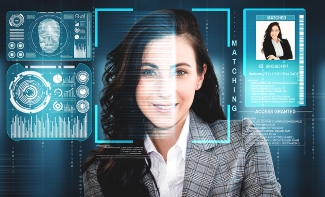 With many of us using our faces to "open" our phones, biometric technology has become an everyday consumer technology. Capitalizing on the comfort and ease of use of facial recognition, government agencies are looking to incorporate it (and other biometric methods) into their modern cybersecurity plans and approaches but are realizing implementation in a government setting raises a host of complications.
